
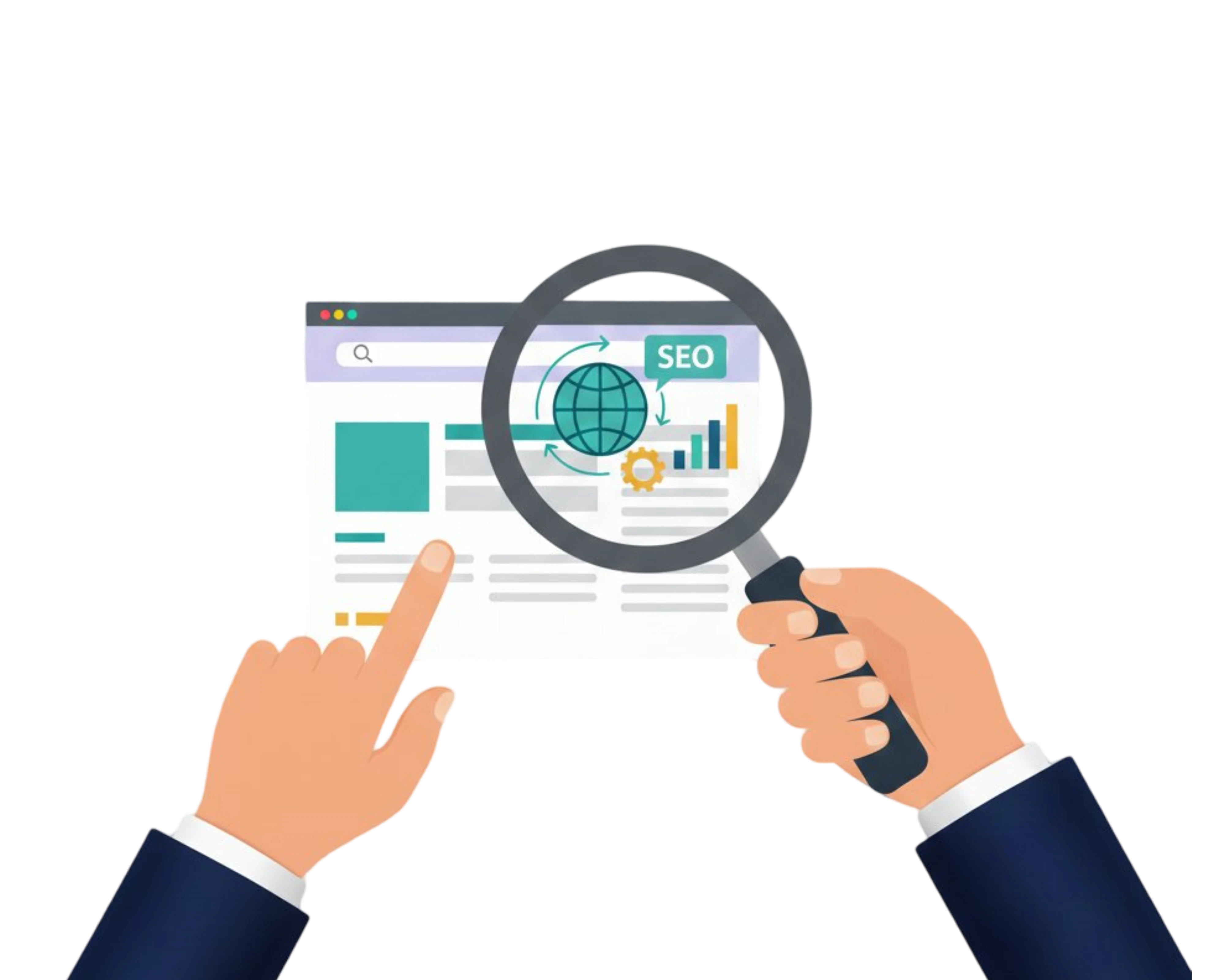
 When diving into SEO, it’s all about seeing it from the user’s perspective. Understanding what searchers want, commonly known as ‘search intent,’ is essential to capture attention meaningfully. People searching for information, services, or products have distinct needs. Figure out what they expect and plan your content around it. This way, you’ll not only draw them in but also keep them engaged.
Creating a website isn’t just about looking good. It’s about making the user’s journey smooth and intuitive. Design with the user front and center. Whether browsing on a desktop or a smartphone, your site should load fast and be easy to navigate. When users can find what they need effortlessly, they’re more likely to convert into customers.
Content is king, but quality is what truly reigns. Focus on crafting content that’s not just informative but genuinely valuable. Speak directly to your audience’s needs and address their queries or concerns. High-quality content should provide clear, actionable insights without unnecessary fluff. This is what keeps readers coming back and trusting your site as a valuable resource.
Keywords might seem like magic words to unlock web traffic, but it’s more nuanced than that. It’s not about stuffing them in. Instead, think about how you can incorporate these naturally throughout your content. The goal is to make it sound like an engaging conversation, not a clunky checklist. When used correctly, keywords help bridge the gap between what people are looking for and what you’re offering.
Mastering On-Page SEO: Tactics That Drive Sales
The title and meta descriptions are often the first things people see when your site pops up in search results. Optimizing these elements isn’t just about jamming in keywords; it’s about crafting compelling headlines and descriptions that catch the eye and prompt clicks. Make it clear and enticing, so users are curious enough to hop over to your site.
Header tags like H1, H2, and beyond help organize content in a structured way, making it easy for both users and search engines to understand what’s important on your page. Including structured data, like schema markup, offers search engines extra context about your content, leading to features like rich snippets that can enhance visibility in search results.
Nobody likes waiting around for a sluggish site to load, particularly on mobile devices. Enhancing site speed and ensuring mobile usability is crucial. Regularly test your site’s performance across various devices and make necessary tweaks to keep things running smoothly. This ensures a smooth user experience, which can directly influence sales.
Adding images, videos, and infographics isn’t just for show. Multimedia enriches the content experience, helping to illustrate points in engaging ways. Use multimedia smartly to complement the text and make sure they load efficiently to maintain a swift user experience. These elements can keep users glued to your site longer, increasing the chances they’ll make a purchase.
Off-Page SEO Strategies: Building Trust and Authority
To truly shine in the vast digital landscape, you’ve got to look beyond just what’s on your website. Off-page SEO plays a pivotal role in establishing your site’s credibility through external measures. One of the most powerful off-page strategies is link building. This involves earning backlinks from reputable sites, which signals to search engines that your content is reliable and relevant. Focus on building genuine relationships with other websites and influencers to get those links naturally.
User trust is paramount when encouraging online sales, and authentic customer reviews and testimonials are invaluable here. Encourage satisfied customers to share their experiences. Positive feedback not only boosts your credibility but also influences new customers who are considering your offerings.
Don’t underestimate the power of social media. It’s an essential tool for extending your reach and boosting interaction with your audience. By regularly sharing valuable content and engaging with followers, you cultivate a larger, loyal audience base that can drive traffic back to your site.
Being active in online communities and forums related to your industry can do wonders for your reputation. Participating in discussions, answering queries, and providing helpful advice showcases your expertise and helps you connect with potential customers. Building a presence in these spaces fosters trust and encourages people to check out what you offer.
Analyzing and Adapting: Tools for Continuous Improvement
In the dynamic world of SEO, standing still is not an option. Success hinges on your ability to constantly analyze your strategies and make necessary adjustments. SEO analytics tools are your best allies for measuring success. Use them to track key metrics like organic traffic, bounce rates, and conversion rates. These insights tell you what’s working and what needs tweaking.
Experimentation is key to discovering what resonates with your audience. A/B testing allows you to make informed adjustments to your content and site layout. By testing different strategies, you gain deeper insights into user behavior, enabling you to refine your approach for better results.
Keeping up with Google’s algorithm changes is crucial for staying relevant. Regular updates in search algorithms can drastically affect your site’s rankings. Keeping an eye on these updates and adapting your strategies accordingly can help maintain or improve your position in search results.
The future is full of technological advances, including AI and voice search, which are already changing the SEO landscape. By staying ahead of these trends and integrating them into your strategy, you ensure that your site remains competitive. Future-proofing your SEO approach helps you stay adaptable and prepared for whatever comes next.